Navigating Microneedling Treatments In Calgary
Introduction to Microneedling
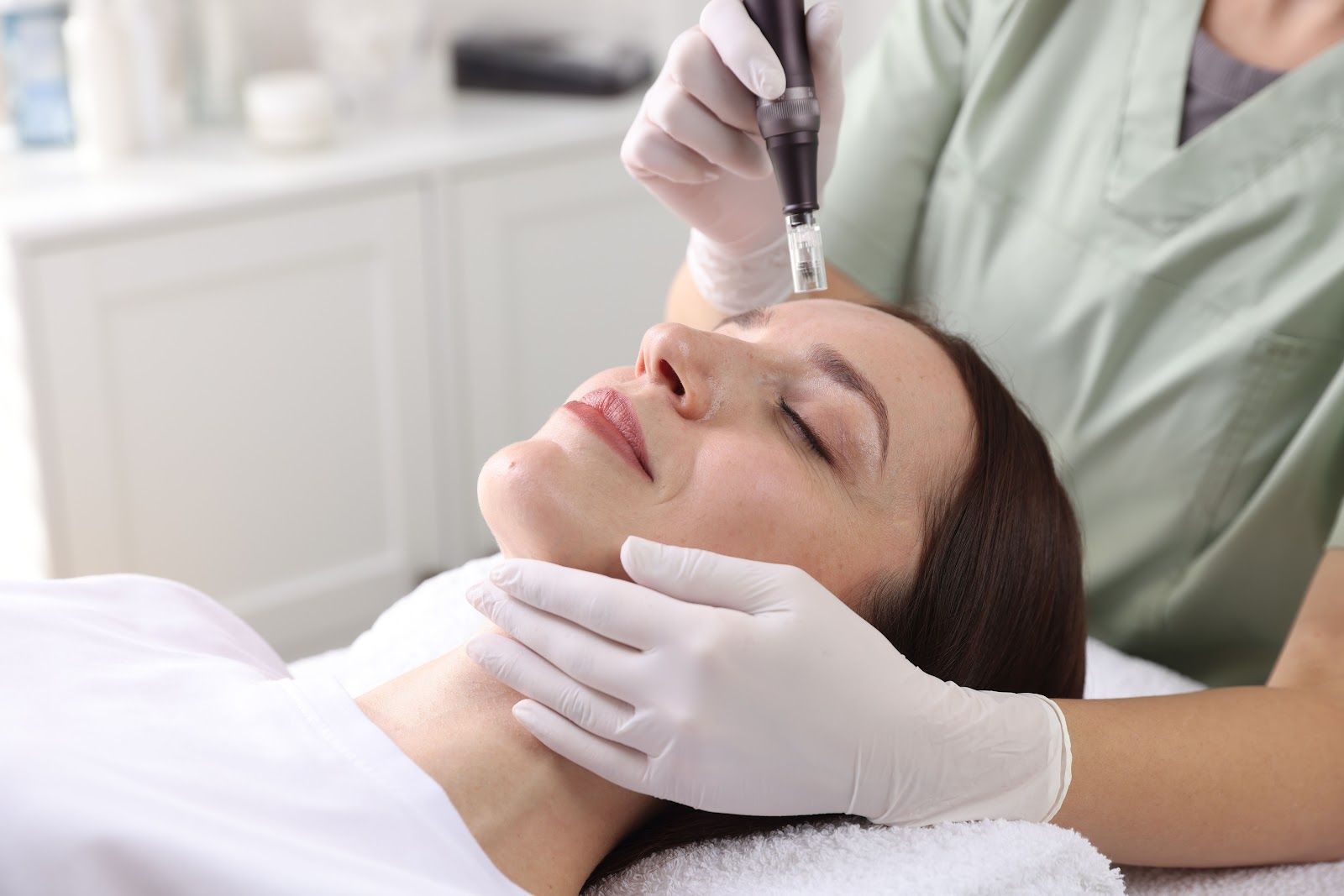
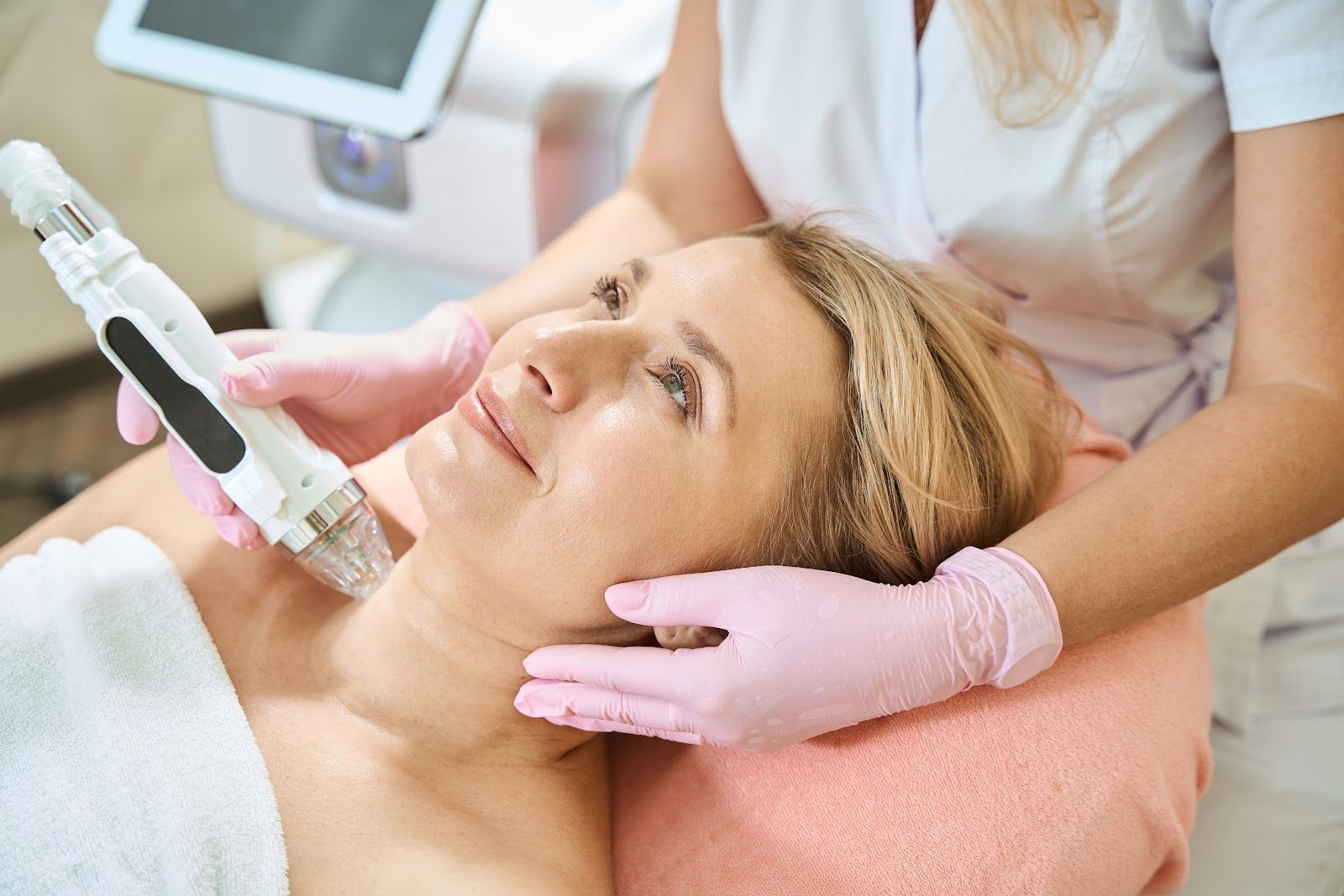
Microneedling, also known as collagen induction therapy, has secured its place as a cornerstone in modern skincare. This minimally invasive procedure involves the use of fine needles to create hundreds of tiny, invisible puncture wounds in the top layer of the skin. This might sound counterintuitive as a beauty treatment, but the magic of microneedling lies not in the immediate aftereffect but in the body’s response to these micro-injuries. It is this natural healing process that rejuvenates the skin, making microneedling a remarkably effective treatment for a variety of skin concerns.
The procedure is rooted in the science of wound healing, and it capitalizes on the body's inherent ability to repair and improve the skin's appearance. When the skin is punctured, the body jumps into repair mode and increases the production of collagen and elastin to heal the micro-wounds — a process that, in turn, improves skin strength, resilience, and elasticity. The resulting boost in collagen has a plumping effect, diminishing the appearance of fine lines, wrinkles, and even scars, making the skin appear more youthful.
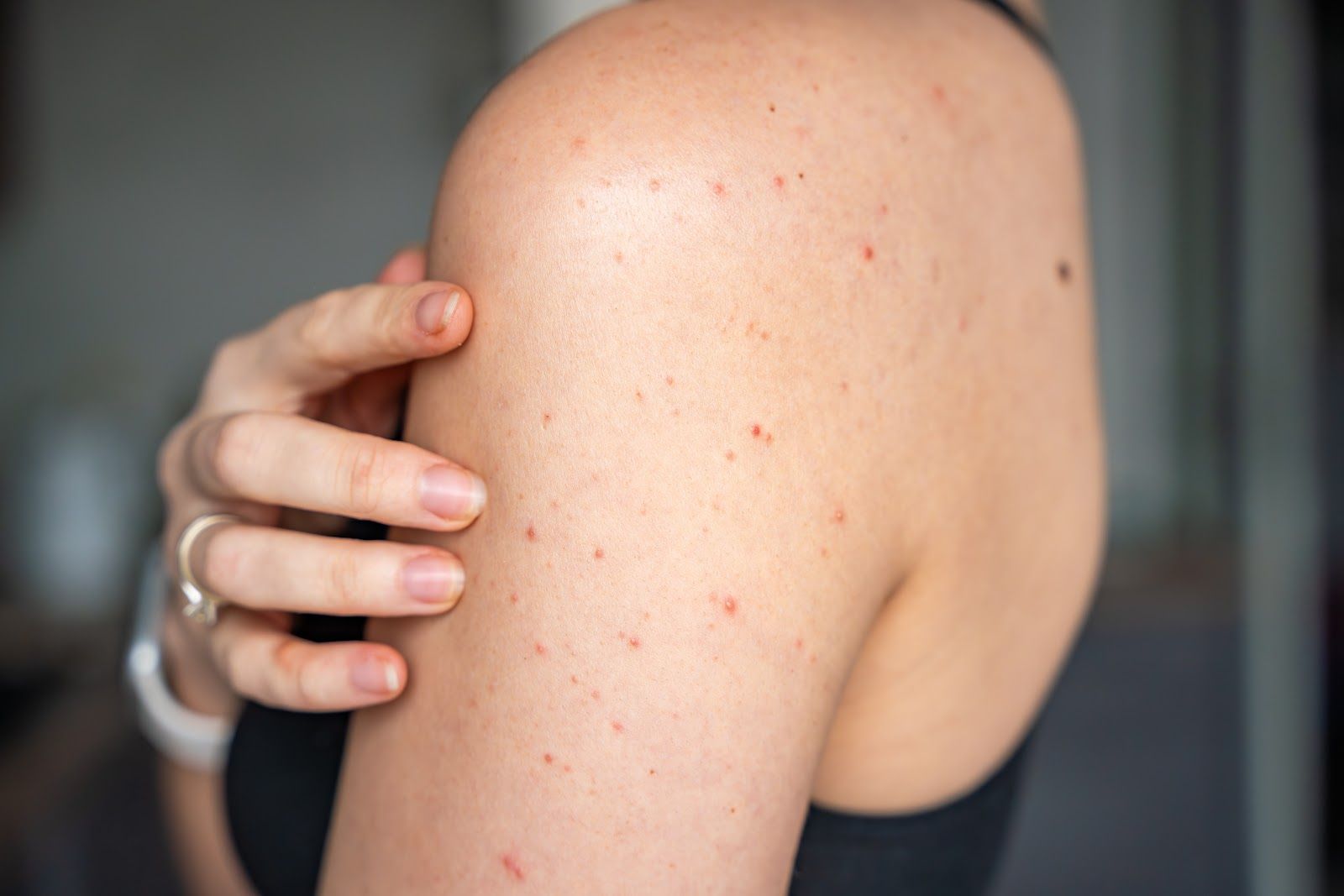
Microneedling's versatility makes it appealing for treating not only signs of aging but also acne scars, stretch marks, and hyperpigmentation. It has also been found beneficial in enhancing the absorption of skincare products, allowing active ingredients to penetrate deeper into the skin and work more effectively. Unlike many invasive cosmetic procedures, microneedling is suitable for nearly all skin types and tones with a minimal risk of hyperpigmentation or scarring.
The history of microneedling dates back to the 1990s, with the innovation of the dermaroller by a German dermatologist, Dr. Desmond Fernandes. However, its principles are reminiscent of ancient acupuncture techniques, showing that the idea of skin puncture for rejuvenation has deep roots. Over the years, the technique has evolved from simple roller devices to sophisticated automated systems that offer more precise control, adjustable needle depth, and improved safety features.
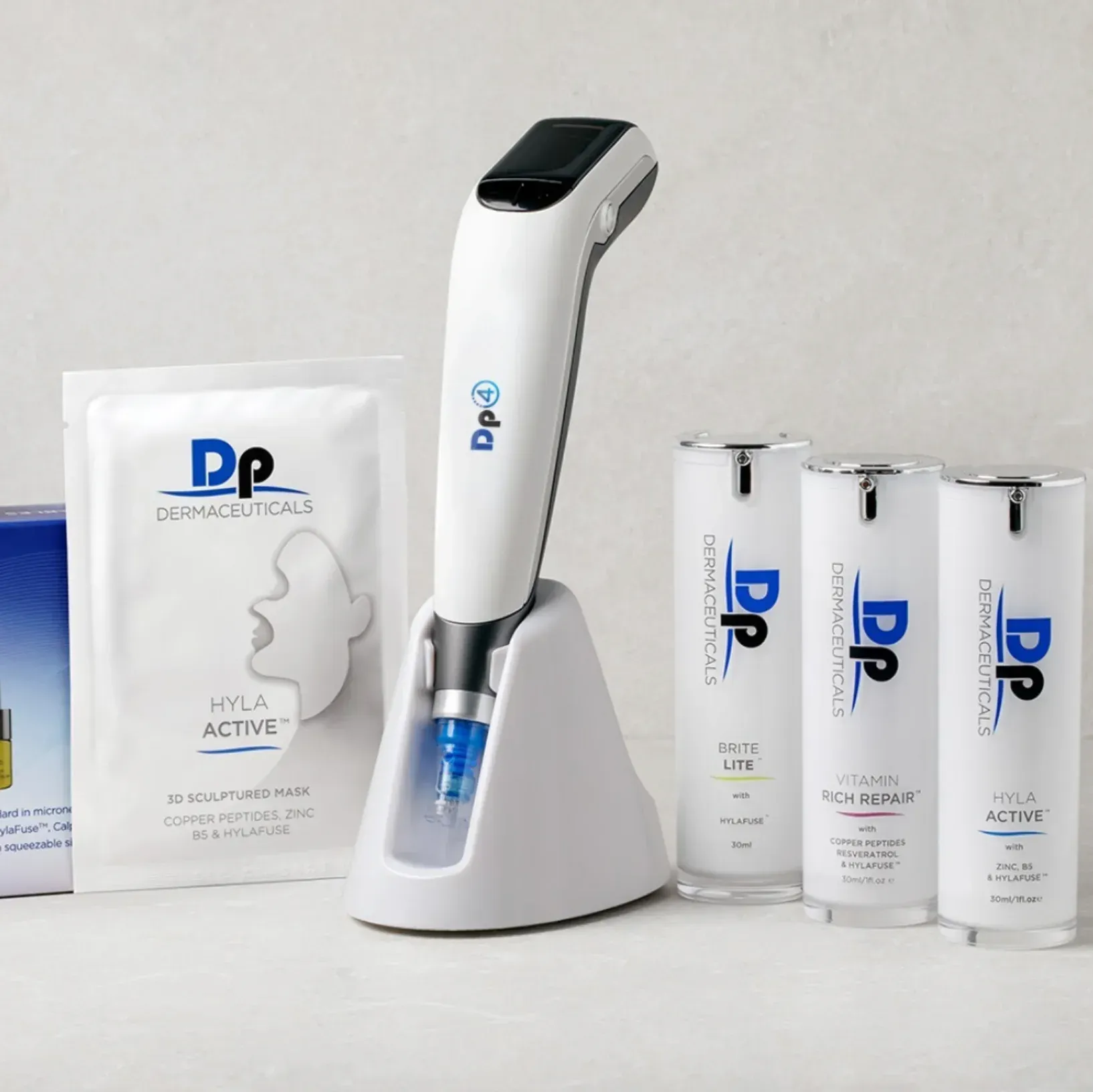
This evolution brings us to cutting-edge devices like the DP4 microneedling system. The DP4 stands out in the market for its superior engineering, ergonomic design, and advanced features that promise not only effective results but also a focus on patient comfort and safety. It represents a leap in innovation within the industry, setting a new standard for what patients and practitioners can expect from microneedling treatments.
As we delve deeper into the DP4 device, we'll explore how its design and capabilities elevate the practice of microneedling. We'll compare it to more basic tools to understand why the DP4 system is regarded as a superior choice despite the plethora of cheaper options available in the market. Understanding the nuances of this device will help clarify why it stands as a paragon of skin treatment technology, merging science with practicality for unparalleled results.
In the following sections, we'll dissect the features of the DP4, contrast it with entry-level microneedling tools, and discuss the implications of investing in quality over cost when it comes to skin health and beauty. As we unravel the details, it will become clear why the DP4 microneedling device is not just another tool in the beautician's kit but a pivotal innovation that reflects the confluence of science, technology, and aesthetics.
Comparative Analysis: Ranking 5 Microneedling Devices by Brand
Microneedling devices come in various forms and functionalities, each promising to deliver rejuvenated skin through the innovative procedure of creating micro-injuries to stimulate collagen production. In Calgary, as in most cities, the range available spans from budget-friendly models to high-end professional devices. Here we rank five such devices, from the basic to the premium, highlighting the DP4 by Clarion Medical as the benchmark for excellence.
5. DermaRoller™
At the entry-level, we have the DermaRoller™, a manual device that's widely available and commonly used for at-home treatments. Its simplistic design requires manual effort for skin penetration, leaving room for user error and inconsistent results. The absence of adjustable needle depths means that the device cannot be customized for different skin types or concerns, which may lead to suboptimal outcomes and a higher chance of discomfort and irritation.
4. Dr. Pen™ Ultima A6
Moving up in sophistication, the Dr. Pen™ Ultima A6 represents the lower end of electric microneedling pens. While it offers more consistent needle delivery than a manual roller, it still lacks the refined control and robust construction of more advanced devices. Available for both professional and at-home use, the Ultima A6 is a step up for those seeking a more automated solution but may fall short for the discerning professional seeking top-of-the-line features.
3. SkinPen® by Bellus Medical
As a middle-of-the-road option, SkinPen® by Bellus Medical is a popular choice among med-spas for its reliability and FDA approval for safety. It offers adjustable needle depths and is designed to be a more controlled microneedling experience. However, while it's a notable improvement over handheld rollers and basic pens, it doesn’t match the rapid needle deployment and precision of the most advanced systems.
2. Dermapen 4™
Near the top of the list is the Dermapen 4™, a well-known name in the microneedling community. This device is recognized for its improved motor and adjustable depths, which can cater to a variety of skin conditions with greater efficacy. Its design aims to maximize patient comfort and practitioner ease of use, yet it still doesn't reach the pinnacle of what is offered by the top-tier devices in terms of technology and user experience.
1. DP4 by Clarion Medical
The apex of microneedling technology is exemplified by the DP4 device from Clarion Medical. This device sets itself apart with a motor engineered for precision and a user-friendly interface that ensures consistent needle depth. It is designed for maximum comfort with a pain-minimizing insertion technique and features single-use, sterilized needle cartridges to maintain the highest hygiene standards. The DP4's rapid-fire needle deployment reduces procedure time and improves patient comfort, setting a new standard in the microneedling experience.
The DP4 stands out not just for its advanced features but also for the quality and longevity of its results. For Calgary’s dermatology clinics and medi-spas that invest in this premium option, the DP4 represents the highest commitment to patient satisfaction and clinical excellence.
Patient Outcomes and Cost-Benefit Analysis of High-End Microneedling Devices
When considering the efficacy of microneedling devices, it's crucial to assess not only the immediate results but also the long-term outcomes and overall cost-effectiveness of the treatments provided. This section will examine these aspects, emphasizing how high-end devices like the DP4 by Clarion Medical can be a wise investment for both practitioners and patients.
Immediate and Long-Term Patient Outcomes
The immediate aftermath of a microneedling session can vary significantly depending on the device used. Lower-end devices may lead to more pronounced redness and irritation, whereas patients treated with the DP4 typically experience minimal downtime due to the device's precise and controlled needle penetration. This means less trauma to the skin and a quicker return to normal activities, a compelling selling point for busy individuals.
Long-term outcomes are where high-end devices truly shine. The DP4's consistent needle depth and speed help ensure uniform collagen induction across the treatment area. This can lead to better, more predictable results in terms of skin texture, firmness, and overall appearance. Over time, patients who undergo treatments with advanced devices like the DP4 may see sustained improvements in their skin condition, enhancing overall satisfaction and reinforcing the value of the procedure.
Cost-Benefit Analysis for Patients
From a patient’s perspective, the cost of microneedling treatments can add up, especially when multiple sessions are required. Initially, treatments with high-end devices may appear more expensive; however, the enhanced results and decreased need for touch-up sessions can make them more cost-effective in the long run. Patients also value the reduced risk of complications and side effects, which can be costly both financially and emotionally.
Furthermore, the quality of results achieved with devices like the DP4 often means better satisfaction rates, leading to fewer patients seeking alternative or corrective treatments. This translates into savings and a higher perceived value of the initial investment in quality microneedling sessions.
Cost-Benefit Analysis for Practitioners
For practitioners, the purchase of a high-end device like the DP4 represents a significant investment. The initial outlay, however, is justified through several factors. Firstly, the efficiency of the device allows for more patients to be treated in a given day, maximizing revenue. Secondly, the consistency and quality of results lead to greater patient retention and referrals, a crucial aspect of business growth.
Maintenance and operating costs also factor into the decision. High-end devices, while more costly upfront, often have lower long-term costs due to their durability and the infrequency of repairs or replacements. Single-use needle cartridges, while an ongoing cost, ensure patient safety and can save on the time and expense associated with sterilizing reusable components.
The high upfront cost of advanced microneedling devices like the DP4 by Clarion Medical is counterbalanced by the superior patient outcomes and long-term financial benefits for practitioners. These devices offer a value proposition that extends beyond the initial price tag, encompassing improved patient satisfaction, enhanced safety, and greater business efficiency. For discerning patients and practitioners in Calgary and beyond, the investment in a high-end microneedling device is an investment in quality, safety, and reputation.
The Placebo Effect in Microneedling: Cheap vs. High-End Devices
In the realm of cosmetic procedures, the placebo effect plays a not insignificant role in patient satisfaction and perceived results. This is particularly noteworthy when comparing patient responses to treatments with low-cost and mid-range microneedling devices versus those conducted with high-end equipment like the DP4 by Clarion Medical.
Understanding the Placebo Effect
The placebo effect occurs when patients experience a perceived improvement in their condition due to the belief that they are receiving an effective treatment, even if that treatment is inactive or less powerful than assumed. In skincare, the belief in the efficacy of a treatment can influence a patient’s perception of improvement, regardless of the actual clinical outcomes.
Placebo Outcomes with Cheap and Mid-Range Devices
Cheap and mid-range microneedling devices can elicit a placebo effect due to the psychological impact of undergoing what is believed to be a beneficial skin rejuvenation procedure. Patients might report a feeling of skin tightening or a “glow” post-treatment, attributing these changes to the microneedling session, even when the devices used are not capable of delivering optimal results. This perceived improvement is often temporary and may not reflect true skin regeneration or collagen induction.
The treatment experience with these devices may also vary. The sensation of the needles, the sound of the motor, and even the setting in which the treatment is performed can all contribute to a patient's belief that they have undergone a significant cosmetic procedure, reinforcing the placebo effect.
Comparing to High-End Devices Like the DP4
On the other hand, when treatments are performed with high-end devices such as the DP4, the improvements observed are not just a matter of perception but are substantiated by the technological prowess of the device. The DP4, engineered to provide precise and consistent needle penetration, ensures that the skin's healing response is activated more effectively, leading to genuine collagen remodeling and skin rejuvenation.
The results achieved with the DP4 are typically more dramatic and longer-lasting than those provided by cheaper alternatives. With these high-end treatments, the need for the placebo effect is largely mitigated because the actual outcomes are visible and measurable. For instance, skin texture improvements, reduction in fine lines, and evenness in skin tone are tangible and can be quantified through before-and-after analyses, leaving little room for placebo-driven satisfaction.
Clinical Evidence Over Placebo
A critical difference between cheap/mid-range devices and high-end options like the DP4 lies in the clinical evidence backing their results. High-end devices are often supported by scientific research demonstrating their efficacy, which means that the improvements are not just believed by the patients but are also expected and predictable by the practitioners based on clinical data.
Moreover, advanced devices have built-in features that minimize discomfort and reduce the likelihood of adverse effects, further enhancing patient confidence and satisfaction. The placebo effect, while it may still play a role in the initial treatment response, becomes less significant when the actual results emerge, surpassing patient expectations and providing a level of improvement that is clearly attributable to the device's capabilities.
While the placebo effect can influence patient perceptions of microneedling outcomes with cheap and mid-range devices, the tangible, superior results delivered by high-end devices like the DP4 stand on their own. The DP4's clinical effectiveness transcends placebo, providing real, long-term benefits that are not just believed but seen and felt by patients, thereby affirming the investment in quality over perception.
The Imperative of Knowing Your Microneedling Device: Questions for Your Clinic
Microneedling has become a buzzword in the cosmetic industry, promising rejuvenated skin and a host of other benefits. However, the equipment used can make all the difference between a transformative experience and a disappointing or even harmful one. For patients considering this procedure, it is crucial to inquire about the microneedling device that will be used in their treatment. Understanding the disparity between low-end, non-approved devices and high-end, approved devices like the DP4 can guide patients to make informed decisions about their skincare.
Why the Device Matters
Microneedling devices are not created equal. A high-end, reputable device like the DP4 has been rigorously tested and approved by regulatory bodies, ensuring that it meets strict standards for safety and efficacy. On the other hand, low-end, non-approved devices may not have undergone such thorough testing, potentially exposing users to risks of injury, infection, and unsatisfactory results. The device used in your treatment can greatly influence the outcome, recovery time, comfort during the procedure, and overall safety.
Questions to Ask Your Clinic or Esthetician
When you're considering microneedling, it’s essential to ask your clinic or esthetician about the device they will be using. Here are some pertinent questions to get you started:
- What microneedling device do you use?
- Clinics should be transparent about the equipment they utilize. This information allows you to research the device and its approvals.
- Is the device FDA or CSA approved?
- Approval from the FDA in the U.S. or CSA in Canada is a marker of quality and safety.
- Can you provide any clinical studies or evidence supporting the device’s efficacy?
- Reputable devices are often backed by scientific research and clinical trials.
- What are the possible risks and side effects associated with this device?
- Knowing the risks helps you weigh the benefits against potential downsides.
- How does the device ensure a sterile procedure?
- The device should use a system that maintains the highest level of hygiene to prevent infections.
- What training has been provided for using this device?
- Operators should be well-trained to use the device effectively and safely.
The Difference Between Low-End and High-End Devices
Low-end devices often lack precision in needle depth, which can affect how the skin heals and the results achieved. They may also be more painful, with less efficient mechanisms to control discomfort. High-end devices, such as the DP4, feature advanced technology to deliver precise treatments with minimal discomfort and downtime.
Additionally, low-end devices might not offer the same guarantees of sterility as high-end options, which use single-use, sterile needle cartridges. This is particularly critical in preventing cross-contamination and infections.
The Significance of Being Informed
As a patient, being informed about the microneedling device being used on you is not just about ensuring value for your money; it's also about protecting your health. The use of a non-approved device could potentially result in complications that could have been avoided with a more suitable choice.
Ensuring that your clinic uses a high-quality, approved device like the DP4 is a matter of due diligence for your health and safety. It reflects the clinic's commitment to providing the best care and results. Before you consent to a microneedling procedure, take the time to ask about the device, and make an informed choice for your skin’s wellbeing. Your skin deserves the best; ensure it receives a treatment that’s not only promising but also proven.
Thank you for reading the microneedling blog series at YYC Laser & Skincare, I invite you to follow my Instagram yyc_laserandskincare to stay in the know about everything skin care, laser hair removal, and microneedling.
YYC Laser & Skincare
Calgary, AB